Jüngere Haut durch Anti Aging Produkte

Anti-Aging-Produkte wirken der natürlichen Hautalterung entgegen und lassen Ihre Haut jung, frisch und glatt aussehen. Bereits vor dem Erscheinen der ersten Fältchen beginnt die Haut ab dem 25. Lebensjahr ihre natürliche Spannkraft und Elastizität zu verlieren. Mit zunehmendem Alter können beim täglichen Blick in den Spiegel erste feine Linien rund um die Augen und den Mund erscheinen. Später finden sich auch einige Falten, die sich im Laufe der Zeit tiefer in die Haut gegraben haben. Die natürliche Hautalterung lässt sich zwar nicht komplett aufhalten, aber Sie können aktiv etwas dafür tun, dass…
5 Anti Aging Methoden für ein jüngeres Hautbild

Anti Aging ist ein Thema, an dem wohl kaum eine Frau im Laufe ihres Lebens vorbei kommt. Spätestens, wenn wir die ersten Fältchen im Spiegel entdecken, fängt es dann. Dann fragen wir uns, was man tun kann, um möglichst lange schön frisch und jugendlich auszusehen. Angeblich gibt es viele Lösungen, doch es ist nicht immer ganz klar, welche davon wirklich funktionieren. Was sind die besten Methoden und von welchen Mitteln sollten wir lieber Abstand halten? Wir verraten Ihnen, wie Ihnen das große Vorhaben des Anti Aging gelingt. Warum altert die Haut? Dass…
Die besten Tipps gegen Hautalterung
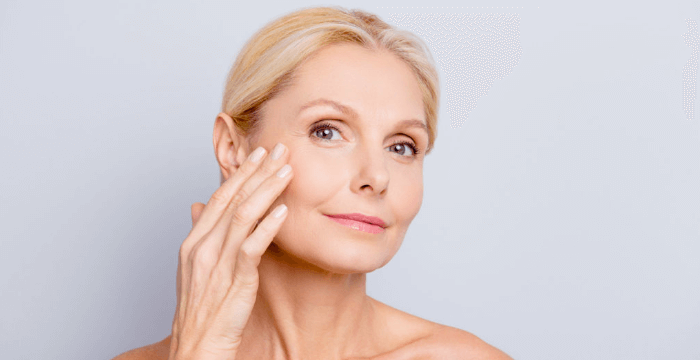
Hautalterung ist ein biologischer Vorgang und kann von keinem Menschen umgangen werden, sprich, irgendwann trifft es jeden. Eine gute Nachricht gibt es jedoch im Zusammenhang mit dem unschönen Fakt, dass Ihr und unser Körper in naher oder ferner Zukunft vom Alter gezeichnet sein wird: Wir können nämlich ein Wörtchen mitreden, was das Wann und Wie sehr, unserer Hautalterung betrifft. Was passiert bei der Hautalterung? Mitte 20 fängt die Haut schon langsam an zu altern. Feuchtigkeit und Spannkraft gehen der Haut immer ein Stückchen mehr verloren. Kollagen und Hyaluron sind körpereigene Substanzen, welche…